The Role of Vitamins and Minerals in Immune Function
18 June 2026
Let’s be real—our immune system is the unsung superhero of our body. It’s constantly fighting off invaders like bacteria, viruses, and all sorts of invisible threats we don’t even think about. And yet, we often forget to give it the backup it deserves. One of the simplest (yet most overlooked) ways to support our immune defense? Making sure we’re feeding it the right nutrients—starting with vitamins and minerals.
Why Vitamins and Minerals Matter for Immunity
When we talk about immunity, we’re often quick to jump into antibiotics, superfoods, or supplements that promise overnight miracles. But here's the truth: our immune system is a complicated network of cells, tissues, and organs that relies heavily on proper nourishment to function smoothly. Just like a car needs oil to prevent a breakdown, your immune system needs a steady supply of essential vitamins and minerals to keep running without hiccups.So, what exactly do these nutrients do? Think of them as the building blocks and fuel stations for your body’s defense army. They help create antibodies, support white blood cells, and even reduce inflammation. When your body is low on key nutrients, it’s like sending out soldiers into battle without armor. Not ideal, right?
Let’s break down some of the most important players in this space.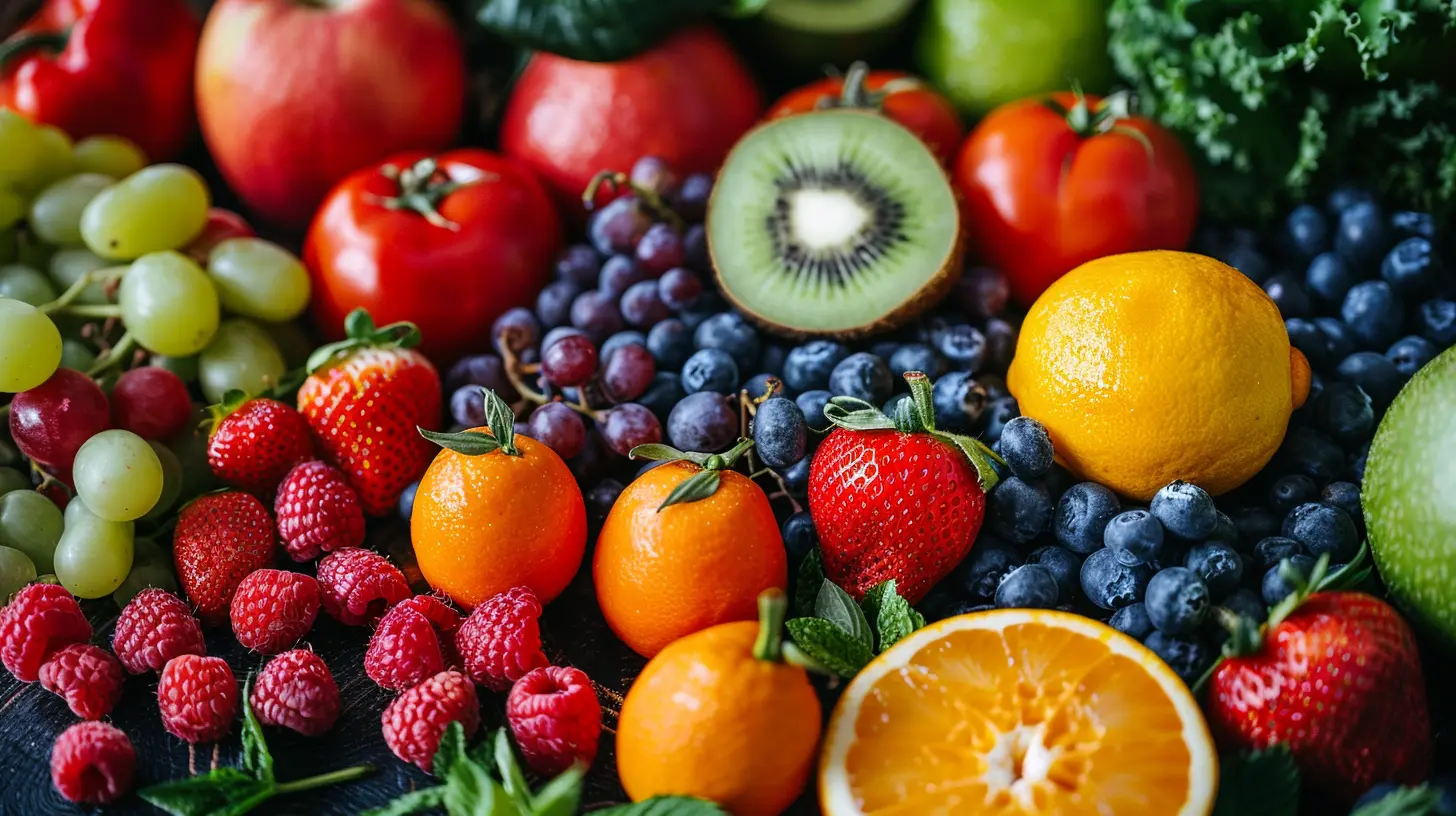
Vitamin C: The Immune System’s Brightest Star
You probably saw this one coming. Vitamin C is the rockstar of immune-boosting nutrients—and for good reason.What It Does:
Vitamin C is an antioxidant that helps protect cells from harmful free radicals (those pesky unstable molecules that can wreak havoc). But that’s just the tip of the iceberg. It also enhances the production of white blood cells, particularly lymphocytes and phagocytes—the heavy lifters of the immune response. Without enough vitamin C, these cells can’t function properly, and that leaves you wide open to infections.Best Sources:
- Oranges (classic!)- Kiwi
- Bell peppers
- Strawberries
- Broccoli
- Brussels sprouts
Fun Fact:
Despite the hype, vitamin C won’t cure a cold. But taking enough of it regularly can make colds shorter and less severe. So yeah, it’s still your best friend during flu season.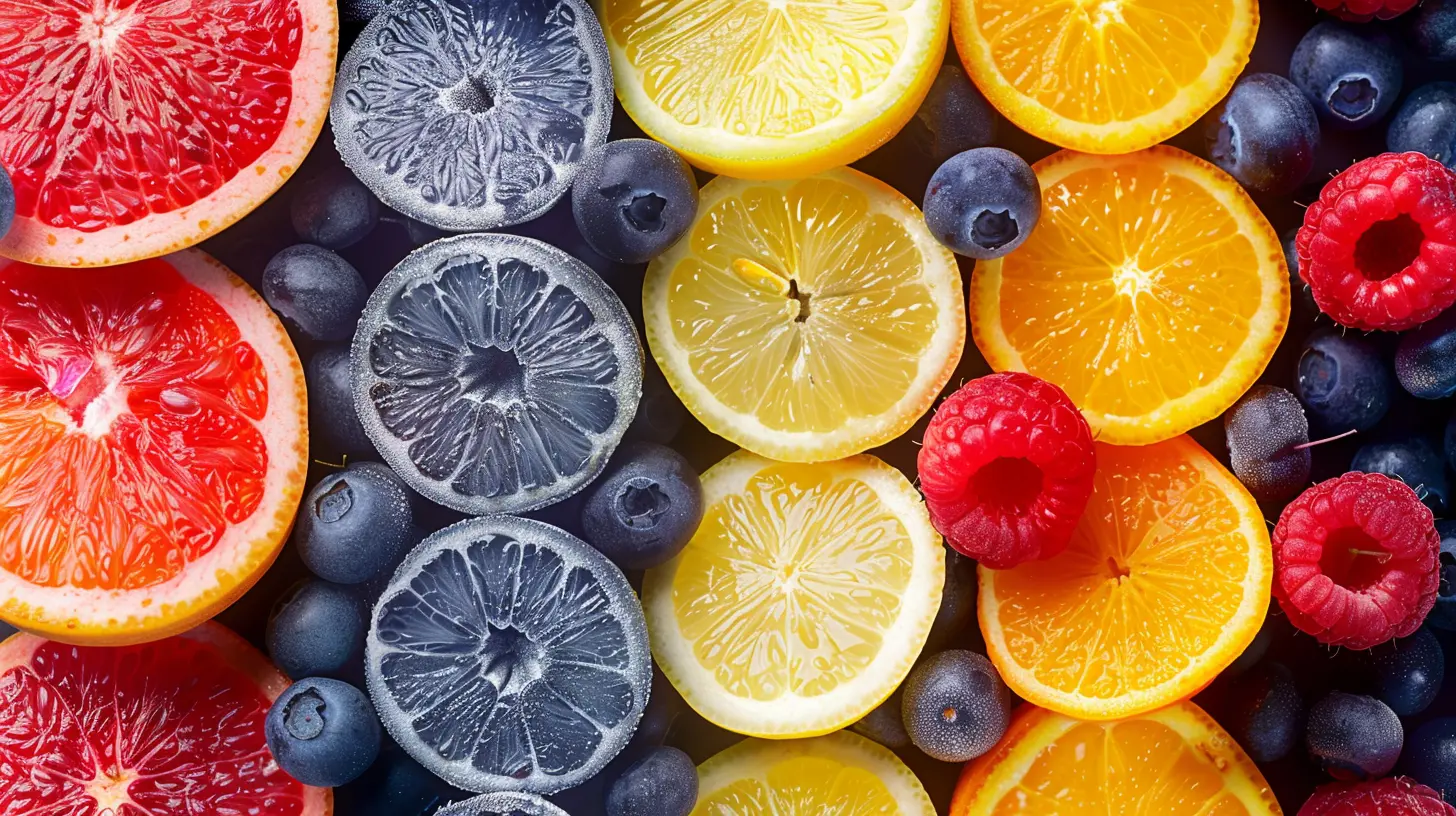
Vitamin D: The Sunshine Defender
Ever wonder why you seem to get sick more in the winter months? That drop in sunlight could be to blame, and vitamin D plays a major part in it.What It Does:
Vitamin D not only strengthens bones, but it also plays a huge role in regulating immune responses. It helps prevent the immune system from overreacting (which can lead to autoimmune diseases) and supports the activation of T-cells, your body’s internal security guards.Best Sources:
- Sunlight (15-30 minutes a day does the trick)- Fatty fish like salmon and mackerel
- Fortified milk and cereals
- Egg yolks
- Supplements (sometimes necessary if you live in less sunny regions)
Did You Know?
Low vitamin D levels have been linked to an increased risk of respiratory infections, including the flu and pneumonia. So don’t underestimate this sunshine vitamin!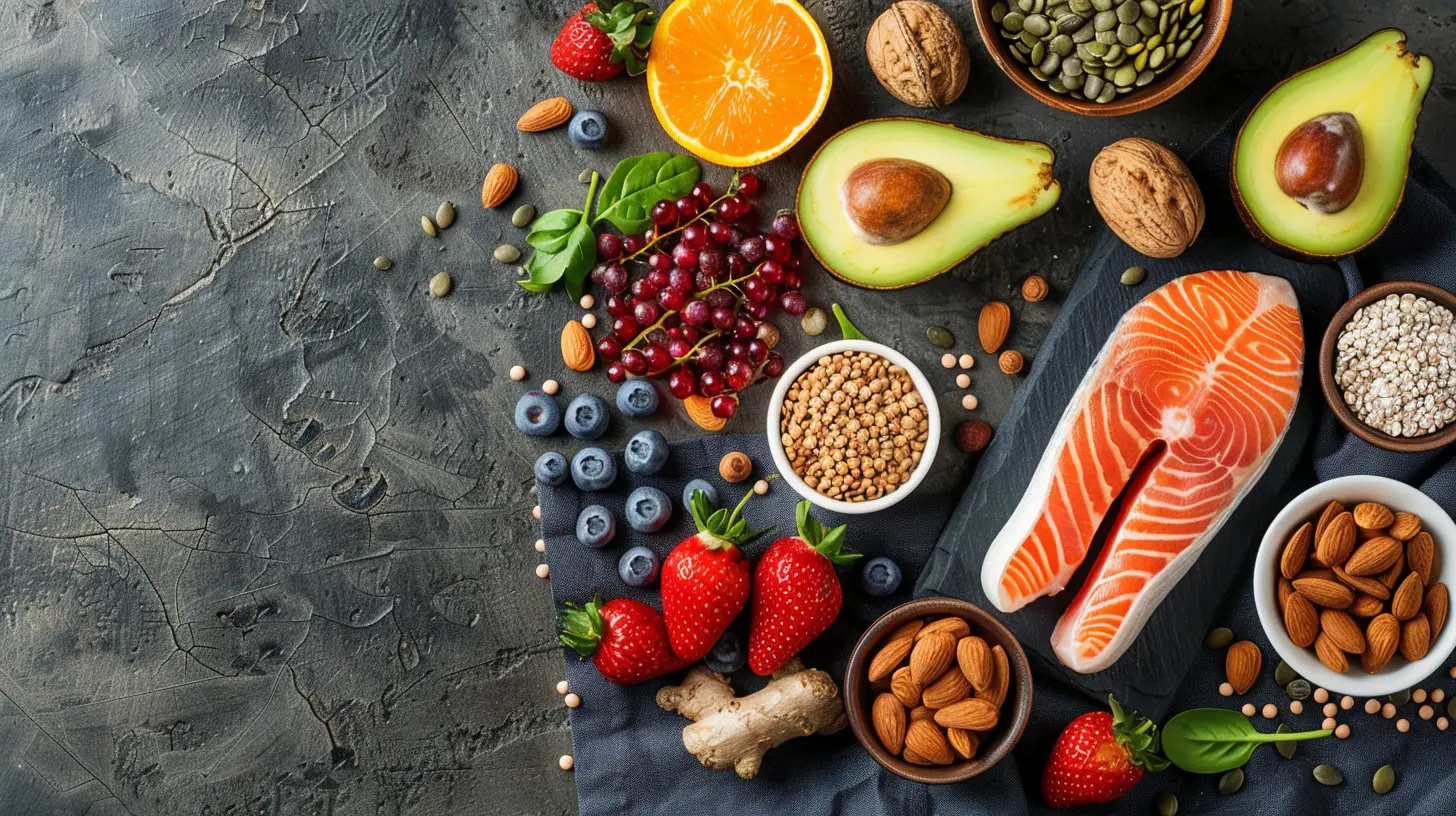
Zinc: The First Responder
Now here’s a mineral that definitely deserves a spot in your immune toolkit.What It Does:
Zinc is critical for the growth and function of immune cells. It also helps wounds heal faster and keeps inflammation in check. If you’ve ever taken a zinc lozenge at the first sign of a sore throat, you're on the right track—zinc can shorten the duration of a cold if taken within the first 24 hours of symptoms.Best Sources:
- Beef and poultry- Shellfish (especially oysters)
- Pumpkin seeds
- Chickpeas
- Nuts
Quick Tip:
Don’t go overboard with zinc supplements. Too much zinc can actually weaken your immune response. Stick to the recommended daily dose unless your doctor tells you otherwise.Vitamin A: The Mucosal Bodyguard
Often overlooked, vitamin A is actually a key player in maintaining your body’s first line of defense—your skin and mucous membranes.What It Does:
Vitamin A supports the production of white blood cells and helps maintain the health of your skin, respiratory tract, and intestines—essentially all the barriers that block germs from getting in. It also helps regulate the immune system to avoid going into overdrive.Best Sources:
- Carrots- Sweet potatoes
- Spinach
- Kale
- Liver (if you’re into that sort of thing)
A Note:
Don’t confuse getting enough vitamin A with megadosing. Too much can be toxic, so stick with food sources unless your doctor recommends a supplement.Vitamin E: The Cellular Protector
This powerful antioxidant doesn’t get the limelight it deserves.What It Does:
Vitamin E helps protect your cells from oxidative stress, especially immune cells. It also supports the production of T-cells, which are vital for fighting off infected cells. You can think of vitamin E as the body’s personal bodyguard for immune cells.Best Sources:
- Almonds- Sunflower seeds
- Spinach
- Avocados
- Peanut butter
Something Cool:
Studies have shown that older adults who get enough vitamin E may have better immune responses than those who don’t. So if you’re aging like fine wine, make sure you're topping up.Iron: The Blood’s Power Supply
Iron is essential for more than just energy levels—it’s also crucial in helping immune cells mature and function.What It Does:
Without iron, your immune system struggles to grow and activate the cells that destroy harmful pathogens. Low iron levels are especially common in women and can lead to fatigue and increased susceptibility to infections.Best Sources:
- Red meat- Lentils
- Tofu
- Spinach
- Iron-fortified cereals
Pro Tip:
Pair iron-rich foods with vitamin C for better absorption. So a spinach salad with some lemon juice? Perfect combo.Selenium: The Silent Warrior
Another underrated mineral, selenium deserves a lot more love than it gets.What It Does:
Selenium plays a role in lowering oxidative stress in your body, which reduces inflammation and enhances immunity. It also helps in the production of cytokines—proteins that regulate immune responses.Best Sources:
- Brazil nuts (just 1-2 a day is plenty!)- Tuna
- Eggs
- Brown rice
- Sunflower seeds
Warning:
It’s easy to go overboard with selenium, so don’t binge on Brazil nuts like they’re popcorn. A little goes a long way!Magnesium: The Multi-Tasking Mineral
While it's not often linked directly with immunity, magnesium is involved in hundreds of bodily functions—including immune regulation.What It Does:
Magnesium helps in the production of antibodies and supports white blood cell function. It also plays a role in reducing chronic inflammation, which can weaken your immune system over time.Best Sources:
- Dark leafy greens- Whole grains
- Avocados
- Bananas
- Dark chocolate (yes, you read that right!)
B Vitamins: The Immune Support Squad
There’s not just one B vitamin involved in immunity—there are several, and they all bring different strengths to the table.What They Do:
- B6: Supports the production of white blood cells and antibodies.- B9 (Folate): Helps produce DNA and RNA in immune cells.
- B12: Keeps the nervous system healthy, which indirectly supports immune function.
Best Sources:
- Chicken- Eggs
- Leafy greens
- Fortified cereals
- Beans and legumes
How to Know If You're Getting Enough
Here’s the thing—most of us get a decent amount of these nutrients through a balanced diet. But factors like age, stress, medical conditions, and even certain meds can affect how well your body absorbs them.If you're feeling constantly run-down, getting sick more than usual, or just not quite yourself, it might be worth checking in with your doctor. A simple blood test can reveal nutrient deficiencies. Sometimes, all it takes is a few dietary tweaks or a quality supplement to get back on track.
Should You Take Supplements?
It depends. Supplements can be a great way to fill nutritional gaps, especially if you have dietary restrictions or increased needs. But they should never replace real food.Whole foods provide a synergy of nutrients that work together in ways pills simply can’t replicate. So start with your plate. Fill it with colors, variety, and fresh ingredients. And if needed, use supplements as a backup plan—not the main course.
Final Thoughts
We're all looking for that magic bullet to stay healthy, especially in a world where viruses seem to pop up out of nowhere. But supporting your immune system isn’t about gimmicks or quick fixes—it’s about giving your body the consistent care it deserves.So next time you're prepping your grocery list, think about what your immune system might be craving. A few more veggies, some nuts and seeds, maybe a piece of fruit instead of that second donut—it all adds up.
Because when your immune system is strong, you're not just surviving, you're thriving.
all images in this post were generated using AI tools
Category:
Healthy Immune SystemAuthor:

Jackson Mahoney
Discussion
rate this article
1 comments
Zachary McGonagle
Nourishing your body with the right vitamins and minerals is crucial for a strong immune system. Every small choice you make adds up, empowering you to stay healthy and resilient. Invest in your health today, and let your body thrive with the support it deserves. Stay vibrant!
June 23, 2026 at 2:31 AM
Jackson Mahoney
Absolutely! Every little choice truly matters when it comes to our health. Let's keep prioritizing those essential nutrients.