Why Balanced Diets Will Dominate Nutrition Trends by 2027
21 April 2026
In a world overflowing with diet fads and wellness trends, one thing remains clear: the concept of a balanced diet is not just a fleeting notion—it’s a powerful manifesto poised to reclaim its throne in the realm of nutrition. As we march towards 2027, the idea of balanced diets being the cornerstone of nutrition trends is not merely speculation; it’s an emerging reality. So, buckle up as we dive deep into why balanced diets will dominate the nutrition landscape in the years to come!

What Exactly Is a Balanced Diet?
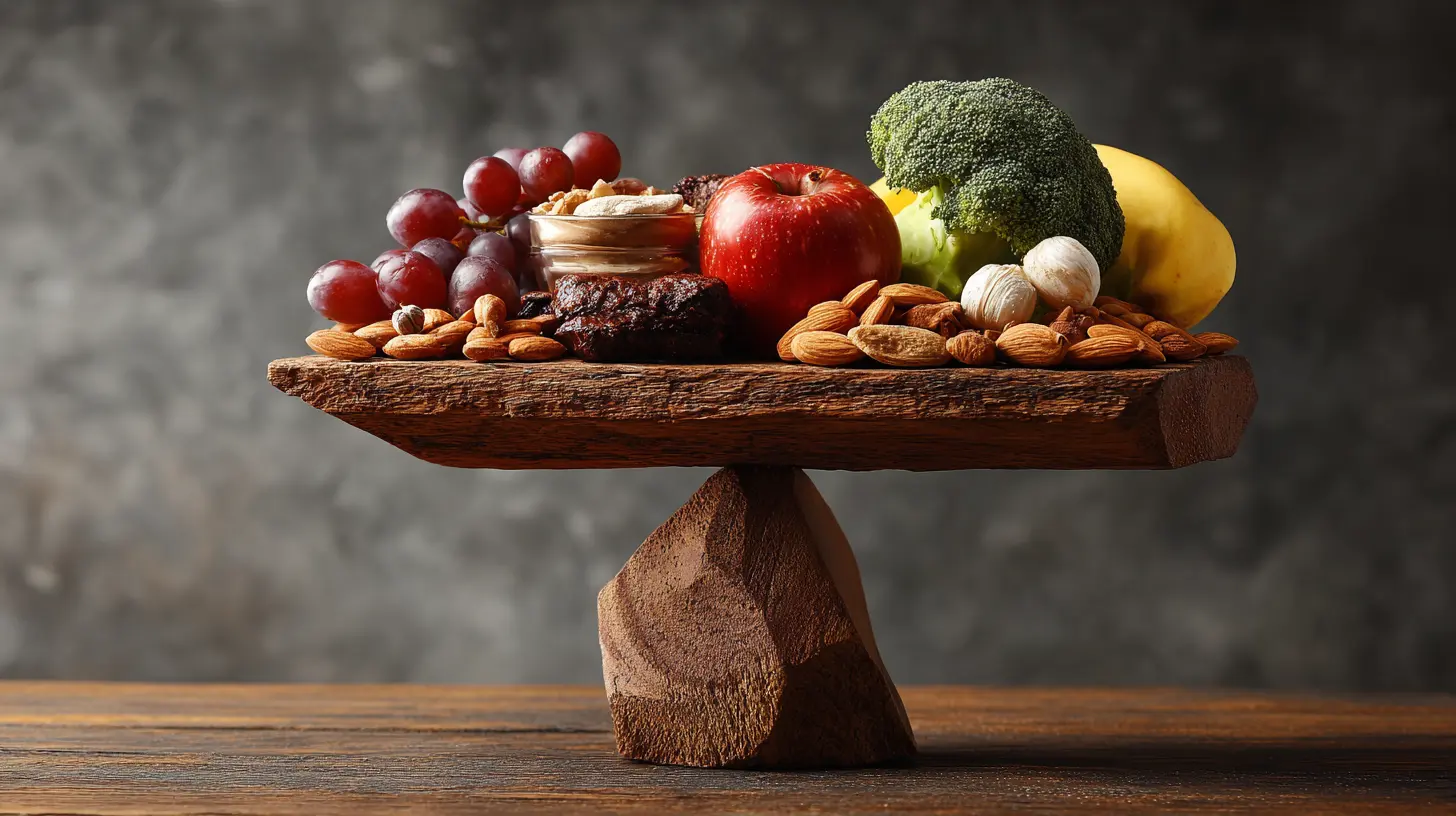
Before we get into why balanced diets are set to take the spotlight, let's clarify what we mean by a balanced diet. Imagine your plate as a colorful palette. A balanced diet is all about incorporating a variety of foods in the right proportions to ensure that your body gets all the essential nutrients it craves. This includes:- Fruits and Vegetables: These should be the stars of your meal. They’re packed with vitamins, minerals, and fibers.
- Proteins: Think lean meats, beans, and legumes. They’re your body's building blocks.
- Whole Grains: Say goodbye to refined carbs! Whole grains provide sustained energy and are rich in nutrients.
- Healthy Fats: Avocados, nuts, and olive oil are not just delicious; they help keep your heart healthy.
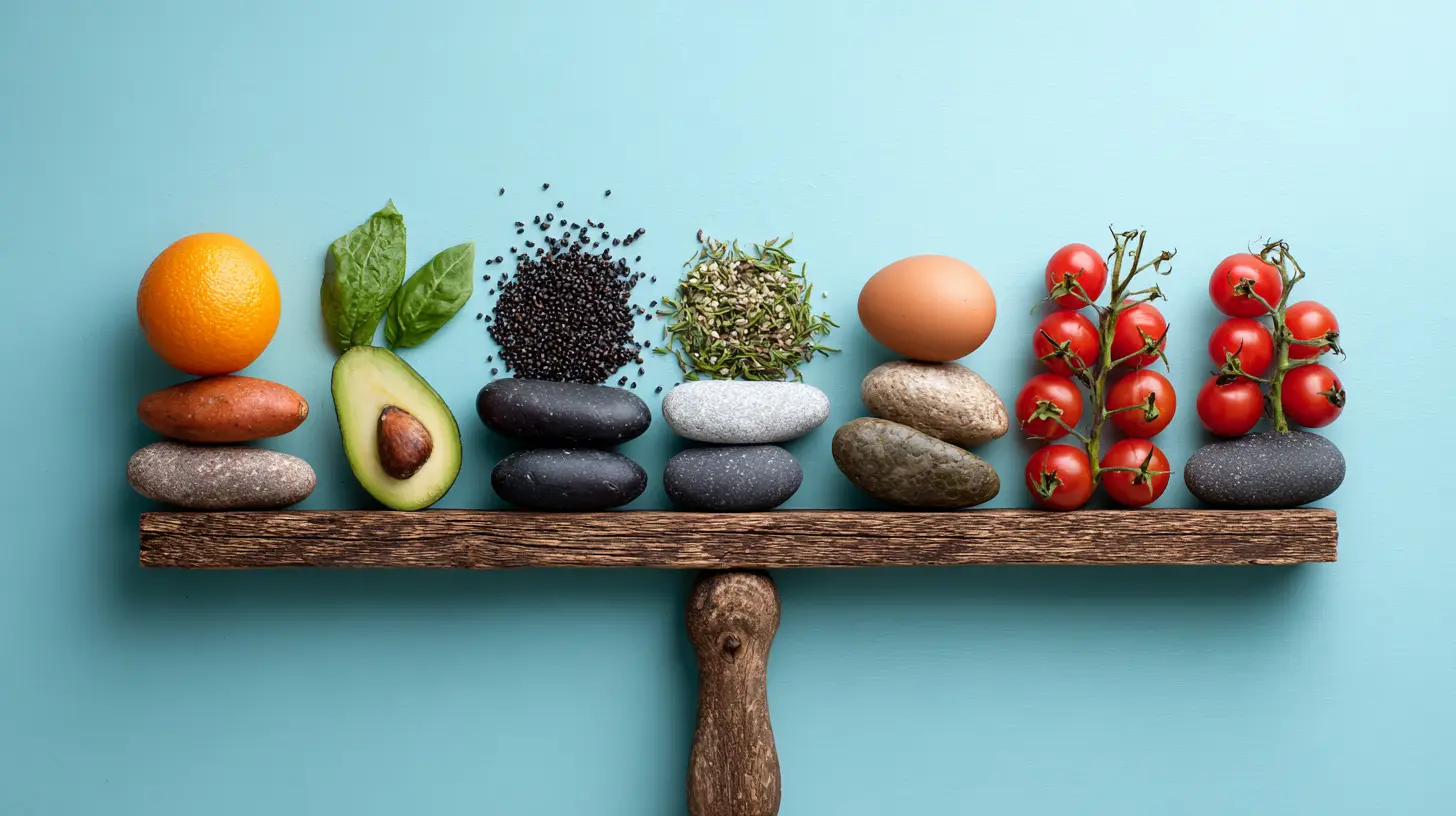
In short, a balanced diet is all about variety, moderation, and sufficiency. It’s like a well-composed symphony where every instrument plays its part to create harmony.
The Shift Towards Holistic Health
The Rise of Wellness Culture
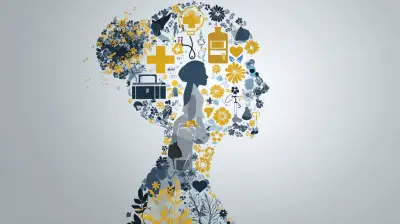
We’ve all noticed it—the wellness culture is booming! From meditation retreats to fitness influencers, the focus on holistic health is stronger than ever. As people become more aware of their well-being, the demand for balanced diets is skyrocketing. But why?1. Informed Choices: Thanks to the internet, people are more informed about the impact of their food choices. They’re no longer satisfied with quick-fix diets that promise unrealistic results.
2. Mindfulness: The emphasis on mindfulness has led individuals to pay closer attention to what they consume. It's not just about eating; it’s about nourishing the body and soul.
3. Sustainability: With climate change on everyone's minds, people are leaning towards diets that support sustainability. Balanced diets made up of whole foods tend to be more eco-friendly than processed options.
A Response to Diet Culture
Let’s face it: diet culture can be toxic. The “all or nothing” mentality has led many to yo-yo diets, and the constant pressure to conform to unrealistic body standards can be exhausting. A balanced diet offers a refreshing alternative by promoting a more inclusive and understanding approach to nutrition.Who wants to feel guilty for enjoying a slice of cake? A balanced diet encourages moderation, allowing for those indulgences without derailing overall health goals. It's liberation on a plate!
Scientific Backing for Balanced Diets
The Nutritional Science
Research is continually reinforcing the benefits of balanced diets. Studies show that individuals who adhere to balanced eating patterns experience lower risks of chronic diseases like obesity, diabetes, and heart-related issues. The science backs it up—our bodies thrive best when we provide them with a mix of nutrients.- Gut Health: A diverse diet can enhance gut microbiome diversity, leading to better digestion and overall health.
- Mental Well-Being: Nutrient-rich foods can positively impact mental health, reducing anxiety and depression.
The Long-Term Benefits
Let’s be real: short-term diets can lead to short-term results, but what happens when the diet ends? A balanced diet, on the other hand, sets you up for long-term health and wellness. It’s like planting a tree—nurture it correctly, and it’ll bear fruit for years to come.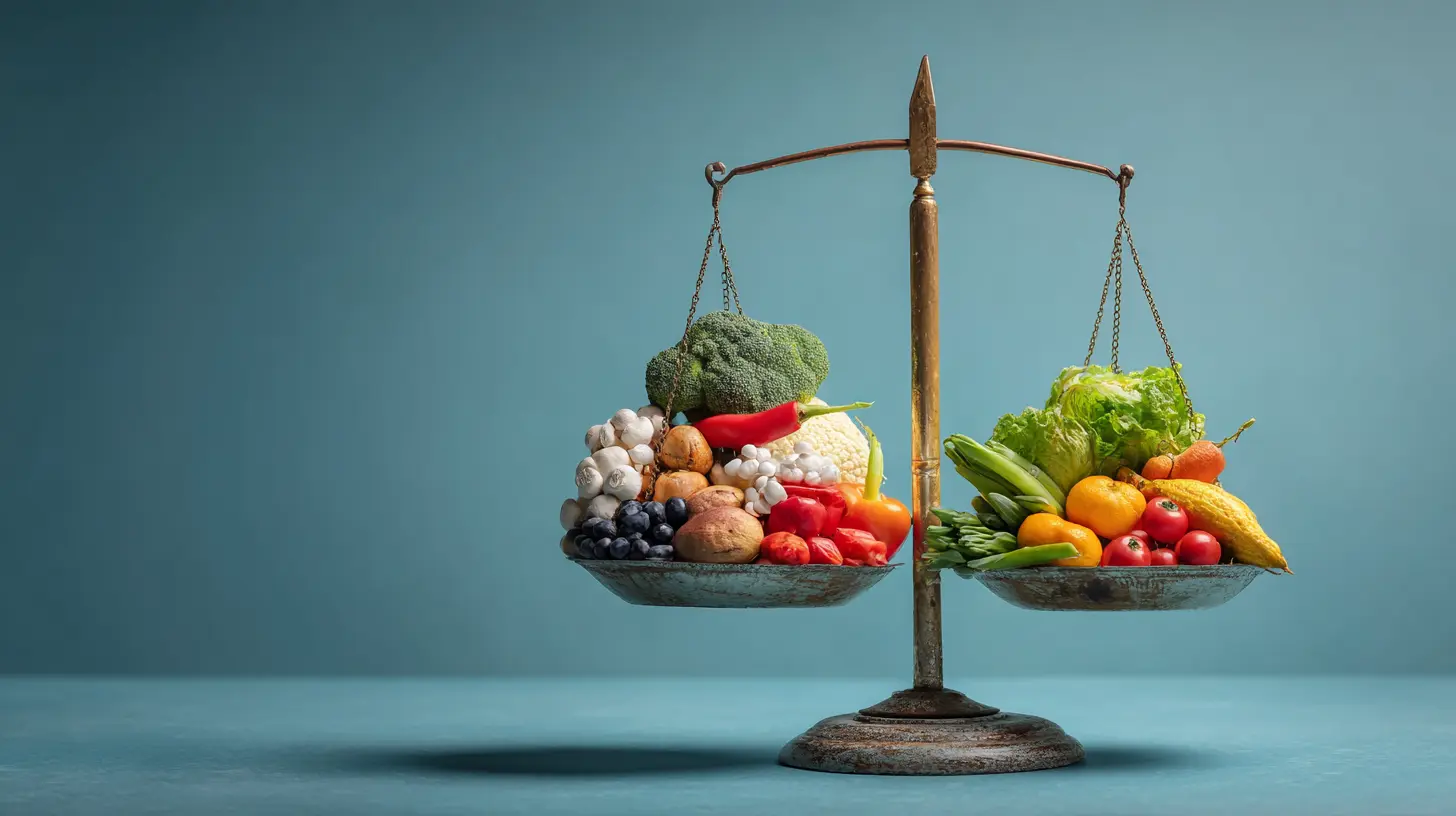
The Power of Personalization
Customizable Nutrition
As we approach 2027, the trend of personalized nutrition will take center stage. What works for one person might not work for another. Balanced diets can easily be tailored to fit individual needs, preferences, and lifestyles. Whether you're vegan, vegetarian, or a meat-lover, the essence of balance remains achievable.Imagine having a diet plan that aligns with your cultural food preferences, ethical beliefs, and health needs. That’s the magic of a balanced diet—it’s adaptable!
The Technology Factor
With advancements in technology, personalization is becoming easier than ever. Apps can now analyze your dietary preferences and health goals, suggesting balanced meal plans that cater specifically to you. This isn’t just about convenience; it’s about empowering individuals to take charge of their health.The Community Aspect
Social Connections Over Food
Food has always been a central part of social interactions. In the upcoming years, we’ll see a resurgence of community-focused meals, where families and friends gather to share balanced meals. It’s not just about what’s on the plate; it’s about the connections we forge over food.Think about it: how many times have you bonded with someone over a shared love for a particular dish? A balanced diet encourages communal eating, fostering relationships and building support systems around healthy eating.
The Influence of Social Media
Social media platforms are bursting with food content, and guess what? Balanced meals are becoming the stars of the show! Influencers promoting balanced diets, colorful meals, and inclusive recipes are making healthy eating appealing and accessible. As more people share their balanced meal experiences, the trend is likely to gain momentum.
Economic Factors Driving Change
The Cost of Health
As healthcare costs continue to rise, people are starting to realize that investing in a balanced diet can save money in the long run. Focusing on nutrient-dense foods can reduce medical expenses related to diet-induced illnesses. People are becoming more discerning with their dollars, opting for foods that promote wellness rather than quick, processed options.The Shift in Food Industry
The food industry is catching wind of the balanced diet trend. Expect to see more products that cater to this demand—think pre-packaged balanced meals, snack options that are nutritionally sound, and restaurant menus that prioritize wholesome ingredients. The industry will have no choice but to adapt or get left behind.The Role of Education
Nutrition Education in Schools
As we approach 2027, there will be a strong push for nutrition education in schools. Teaching kids about balanced diets from a young age equips them with the knowledge they need to make informed choices as adults. Imagine a generation that understands the importance of nutrition and its role in health!Workshops and Community Programs
We’re likely to see an uptick in community workshops focused on balanced eating. These programs can empower individuals to take control of their health by providing practical skills—like cooking classes, meal planning, and grocery shopping tips. It’s all about creating a supportive environment that nurtures healthy habits.
Conclusion: A Balanced Future Ahead
Looking ahead, it’s crystal clear that balanced diets are more than just a trend—they’re a movement! With the rise of wellness culture, supported by scientific research, personalized nutrition, and a focus on community, the next few years will see a shift toward balanced eating being the gold standard in nutrition.The future is bright, and it’s time to embrace it. Whether you’re a seasoned health enthusiast or just starting your journey, remember that a balanced diet is your ticket to a healthier, happier life. So, let’s raise a fork to the delicious and fulfilling future of balanced diets!
all images in this post were generated using AI tools
Category:
Balanced DietAuthor:

Jackson Mahoney
Discussion
rate this article
2 comments
Zara Elliott
This article highlights the growing importance of balanced diets in our nutritional landscape. As health awareness increases, embracing a variety of foods will empower individuals to make sustainable choices for better well-being. Exciting trends ahead!
April 25, 2026 at 3:33 AM
Jackson Mahoney
Thank you for your insightful comment! I completely agree that balanced diets are key to sustainable health choices and will shape nutrition trends in the coming years.
Zevran McKenzie
This article presents an intriguing perspective on the future of nutrition! I'm curious to see how balanced diets will shape our eating habits and influence wellness trends. It’s essential to stay open-minded to evolving dietary insights!
April 21, 2026 at 5:03 AM
Jackson Mahoney
Thank you for your comment! I'm glad you found the perspective intriguing—it's exciting to think about how balanced diets will continue to shape our eating habits and wellness trends. Staying open-minded is key!