Why Salads Are the Perfect Post-Workout Meal
10 October 2026
The gym bag drops by the door. Your shirt is damp, your legs feel like they belong to someone else, and your appetite is starting to make itself known. What you eat in the next hour or two will shape how well you recover, how you feel tomorrow, and how your next training session goes. Most people reach for a protein shake, a chicken breast, or whatever is closest in the fridge. Fewer think about a salad. That is a mistake worth correcting.
A well-built salad is one of the most flexible, nutrient-dense, and recovery-friendly meals you can eat after training. It is not just lettuce and dressing. When constructed with intention, it delivers protein, carbohydrates, micronutrients, water, fiber, and anti-inflammatory compounds in a package that is easy to digest and easy to scale. This article explains why that matters, when a salad is the right choice, when it is not, and how to build one that actually supports recovery instead of just looking healthy in a photo.
What Your Body Actually Needs After Training
Recovery is not a single process. After a hard session, your body is dealing with several overlapping tasks at once. Muscle fibers have sustained micro-damage. Glycogen stores in the muscle and liver are partially depleted, depending on the length and intensity of the workout. The immune system is briefly suppressed after very strenuous exercise. Inflammation rises as part of the repair signal, then needs to resolve. Fluid and electrolyte balance shift. And the nervous system, especially after heavy strength work or long endurance sessions, needs to downshift.The main nutritional levers you can pull are protein, carbohydrates, fluid, sodium, and micronutrients that support repair and immune function. Timing matters less than most people think. The old "30-minute anabolic window" has been softened by newer understanding: total daily protein intake and overall diet quality matter far more than hitting a precise minute mark. Still, eating within a couple of hours after training is a sensible habit, especially if you train fasted, train twice in a day, or are trying to build muscle.
Here is where salads have an advantage that few people appreciate. They are modular. You can tune the protein, carbohydrate, fat, sodium, and micronutrient content independently without changing the basic format. A chicken breast with rice is fine, but it is a fixed unit. A salad is a template you can adjust to the session you just did.
The Protein Question: Can a Salad Really Deliver Enough?
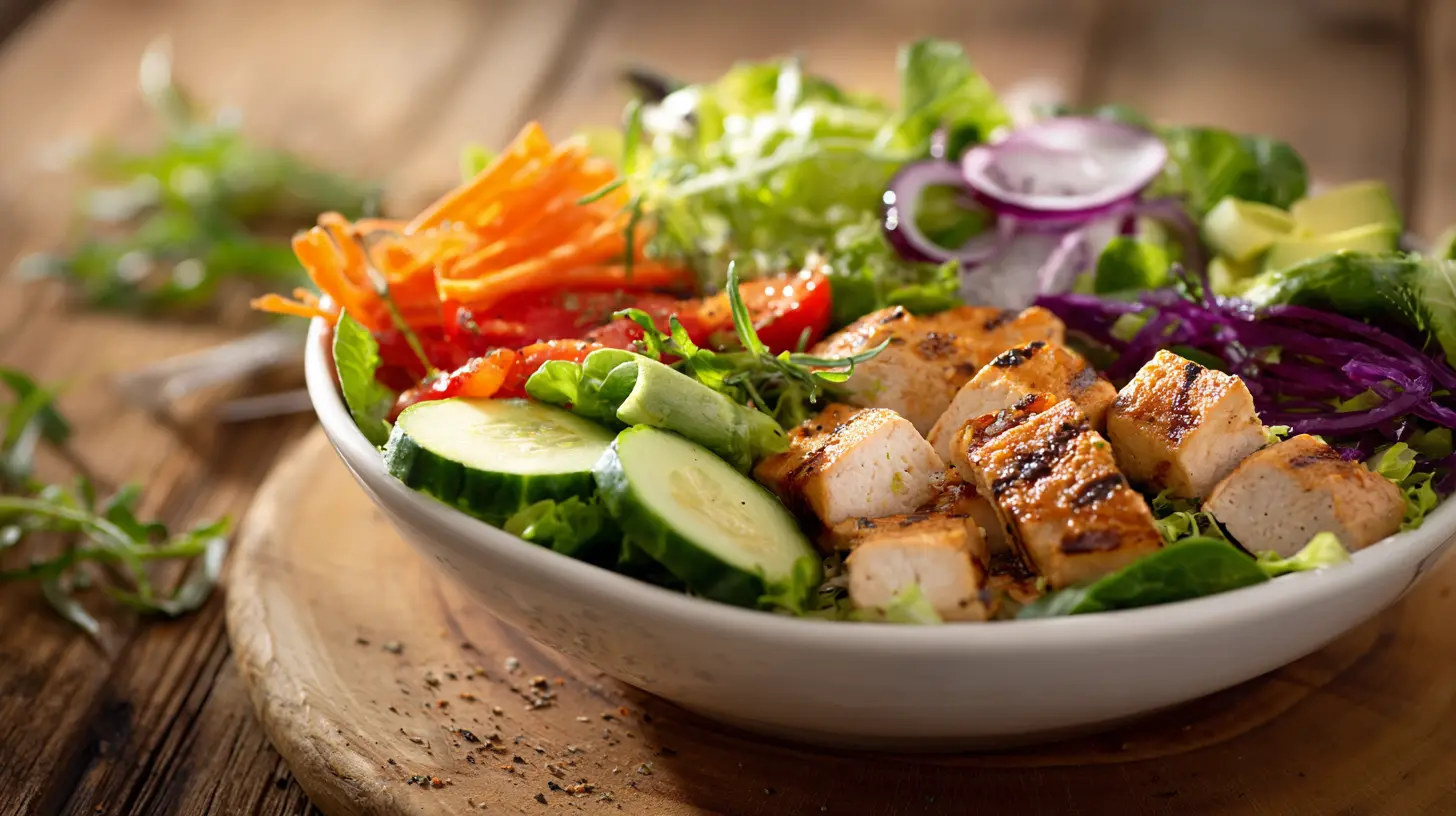
This is the first objection most people raise, and it is fair. A bowl of lettuce and tomatoes has almost no protein. But nobody is suggesting you eat that. The question is whether a salad can carry 25 to 40 grams of high-quality protein, which is roughly the range most active adults benefit from in a post-workout meal.The answer is yes, easily. Consider what you can put on top:
- Grilled chicken breast, 150 grams: roughly 45 grams of protein
- Canned tuna, one can: around 25 grams
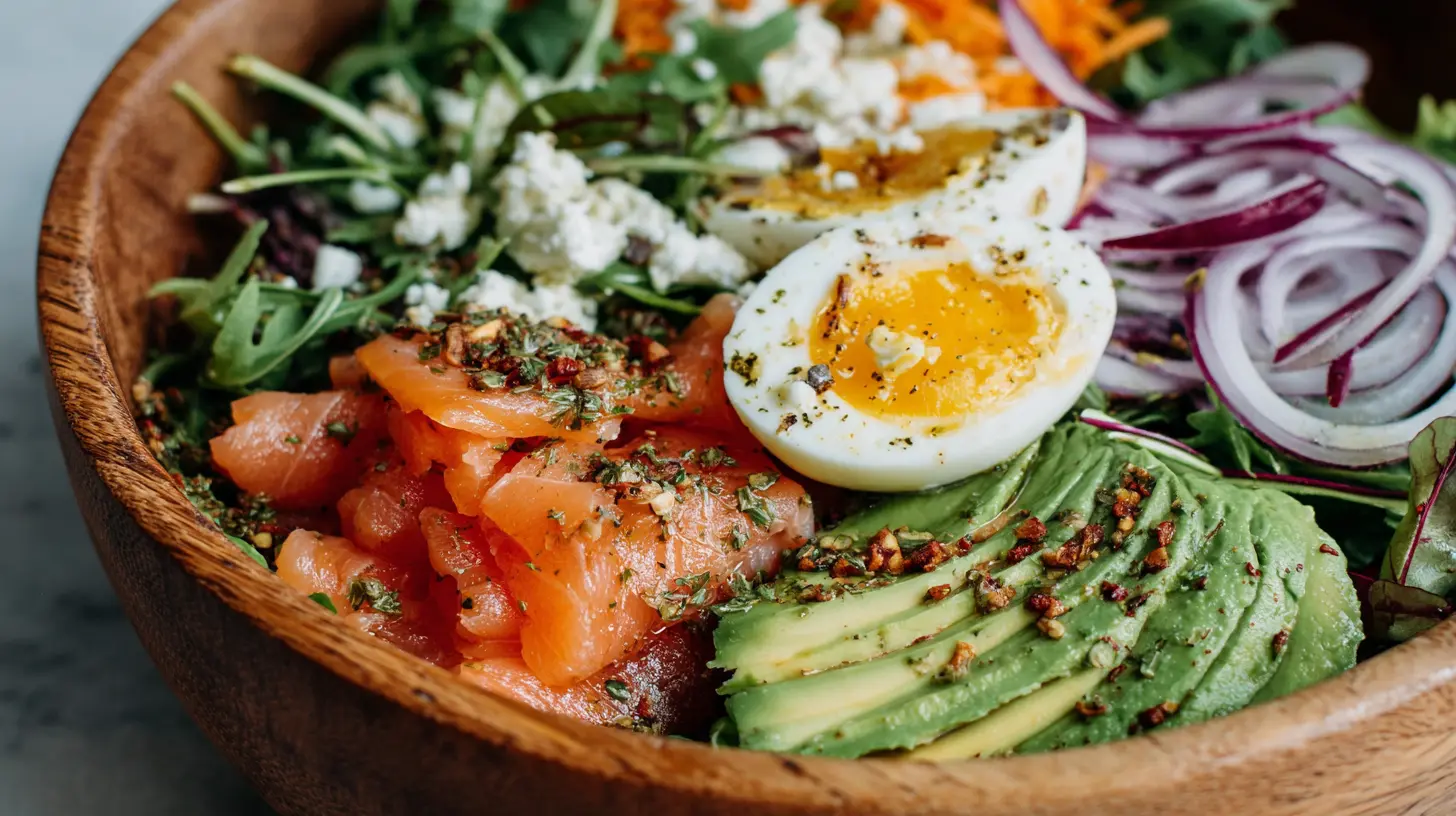
- Salmon fillet, 120 grams: about 25 grams
- Firm tofu, 200 grams: roughly 20 grams
- Lentils, one cup cooked: about 18 grams
- Chickpeas, one cup: around 15 grams
- Greek yogurt as a dressing base: 10 to 20 grams depending on amount
- Feta, goat cheese, or parmesan: 4 to 7 grams per ounce
- Hemp seeds or pumpkin seeds: 5 to 10 grams per serving
Combine two or three of these and you have a protein load that rivals any conventional post-workout plate. Plant-based eaters have a slightly harder time because individual plant proteins are often lower in one or more essential amino acids, but combining sources across the day solves this. You do not need to combine them perfectly in every meal, despite what older advice suggested. Your body maintains a pool of amino acids and draws from it over time.
One practical note: protein quality and leucine content matter for muscle protein synthesis. Animal proteins and soy tend to be richer in leucine. If you are vegan and relying on beans and nuts, aim for a larger total protein dose, closer to 40 grams, and include soy or a blend of sources.
Carbohydrates: The Recovery Nutrient People Underrate
Protein gets the spotlight, but carbohydrates are what refill glycogen, and glycogen is what fuels your next hard session. After a moderate to intense workout, you want roughly 0.5 to 1 gram of carbohydrate per kilogram of body weight in the post-exercise meal if you are training again within 24 hours. For a 75 kg person, that is 37 to 75 grams.Salads handle this better than their reputation suggests. The trick is choosing the right carbohydrate sources and not treating them as an afterthought. Good options include:
- Roasted sweet potato cubes
- Quinoa
- Farro or barley
- White rice, cooled slightly and tossed in
- Corn
- Beets, roasted or grated raw
- Fruit, especially berries, orange segments, or diced apple
- Dried fruit like raisins or chopped dates
A salad with a cup of quinoa, a cup of roasted sweet potato, and a piece of fruit lands comfortably in the 60 to 80 gram carbohydrate range. That is a legitimate recovery meal, not a light snack.
The trade-off is that very high carbohydrate needs, say for a marathoner in peak training or a competitive cyclist doing back-to-back long rides, are hard to meet with salad alone. In those cases, a salad works best as a complement to a larger carbohydrate source like rice, pasta, or bread on the side. There is no rule that says the entire meal must fit in one bowl.
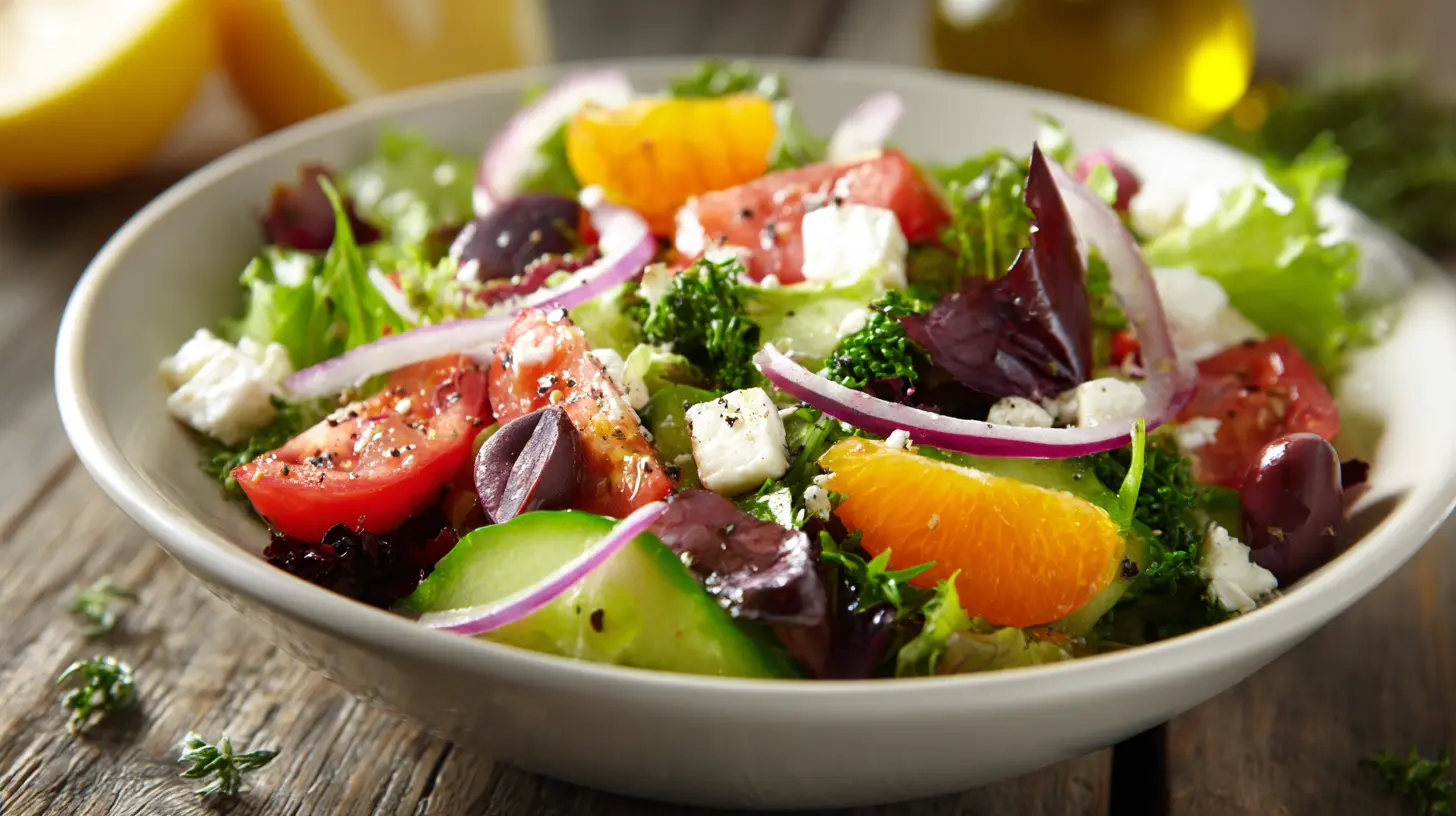
Micronutrients and Phytonutrients: The Hidden Advantage
This is where salads genuinely outperform most other post-workout meals, and it is the part most people overlook.Hard training increases oxidative stress and temporarily dampens immune function. The body uses micronutrients like vitamin C, vitamin E, zinc, magnesium, and various polyphenols to manage both. Colorful vegetables and fruits are the densest sources of these compounds. A post-workout meal built around raw and lightly cooked vegetables delivers a broad spectrum of them in a form that is hydrating and easy to eat when appetite is low.
Consider what a diverse salad brings:
- Leafy greens like spinach, arugula, and romaine provide folate, vitamin K, and nitrates. Dietary nitrates can support blood flow, which may aid nutrient delivery to recovering tissue.
- Bell peppers and tomatoes are rich in vitamin C, which supports collagen synthesis in tendons and connective tissue.
- Carrots and sweet potato offer beta-carotene, a precursor to vitamin A, important for immune function.
- Legumes and seeds contribute magnesium, which is involved in muscle relaxation and energy metabolism.
- Olive oil, if used as a dressing base, provides vitamin E and monounsaturated fats.
You would need several different cooked dishes to match this variety. A salad gets you there in one bowl.
Hydration and Electrolytes: A Quiet Benefit
Exercise depletes fluid and sodium, especially if you sweat heavily. Many people finish a workout mildly dehydrated and do not realize it. Salads are mostly water. Lettuce, cucumber, tomato, and celery all contribute to fluid intake in a way that a dry protein-and-rice plate does not.Sodium is the electrolyte most people lose in the largest quantity through sweat. Salads can carry it effectively through olives, feta, pickled vegetables, capers, and a properly salted dressing. If you are a heavy sweater or trained in heat, this matters more than most recovery guides admit. A salad with olives, feta, and a salted olive oil dressing can replace a meaningful portion of what you lost.
Potassium is the other electrolyte worth attention. Leafy greens, tomatoes, avocado, and beans are all good sources. A salad that includes avocado and beans covers both potassium and magnesium reasonably well.
Digestibility: Why This Matters More Than You Think
After intense exercise, blood flow is redirected. Digestion is temporarily slowed. This is why eating a heavy, greasy meal right after training can leave you feeling sluggish or nauseated. Salads, when built sensibly, are easy on the gut. Raw and lightly cooked vegetables, lean proteins, and liquid-based dressings move through the stomach faster than fried food or heavy cream sauces.That said, this cuts both ways. A salad loaded with raw cruciferous vegetables like broccoli, cauliflower, and kale can cause bloating and gas in some people, particularly if eaten in large volume right after training. If you are prone to digestive discomfort, lightly cooked or fermented vegetables may sit better. There is no universal rule here. Pay attention to how you respond.
When a Salad Is the Wrong Choice
Honesty matters more than cheerleading. A salad is not always the best post-workout option.If you have just finished a very long endurance session and need 100 or more grams of carbohydrate quickly, a salad will struggle to deliver that without becoming an enormous bowl. Liquid calories, rice, potatoes, or pasta may be more practical.
If you are in a heavy bulking phase and need 800 to 1000 calories in a single meal, salad volume can work against you. Fiber and water fill you up before you hit your calorie target. In that case, a salad works better as a side than as the main event.
If you have irritable bowel syndrome or another condition that makes raw vegetables problematic, a cooked vegetable plate or a soup may serve you better. This is not a failure of salads. It is a mismatch between the food and your gut.
And if you are traveling, at a restaurant, or in a situation where you cannot control the ingredients, a salad can easily become a calorie-poor, protein-poor disappointment. A restaurant salad with three cherry tomatoes, a few cucumber slices, and a grilled chicken breast is often not enough to support recovery. You have to know what you are ordering.
How to Build a Post-Workout Salad That Actually Works
Here is a practical framework. Think of it in four layers.Layer one: the base. Use two to three cups of mixed greens, spinach, arugula, or romaine. This provides volume, micronutrients, and water without many calories.
Layer two: the protein. Aim for 25 to 40 grams. Choose one or two sources depending on your diet. Chicken, fish, eggs, tofu, tempeh, legumes, Greek yogurt, or a combination.
Layer three: the carbohydrate. Add 30 to 60 grams of carbohydrate from quinoa, sweet potato, farro, rice, corn, fruit, or beans. Beans do double duty as protein and carbohydrate.
Layer four: the fat and flavor. Olive oil, avocado, nuts, seeds, olives, or a yogurt-based dressing. Fat helps you absorb fat-soluble vitamins from the vegetables and makes the meal satisfying. Keep it moderate if your goal is fat loss.
Then add salt to taste, especially if you sweated heavily. A squeeze of lemon or a splash of vinegar adds flavor without calories and can aid digestion.
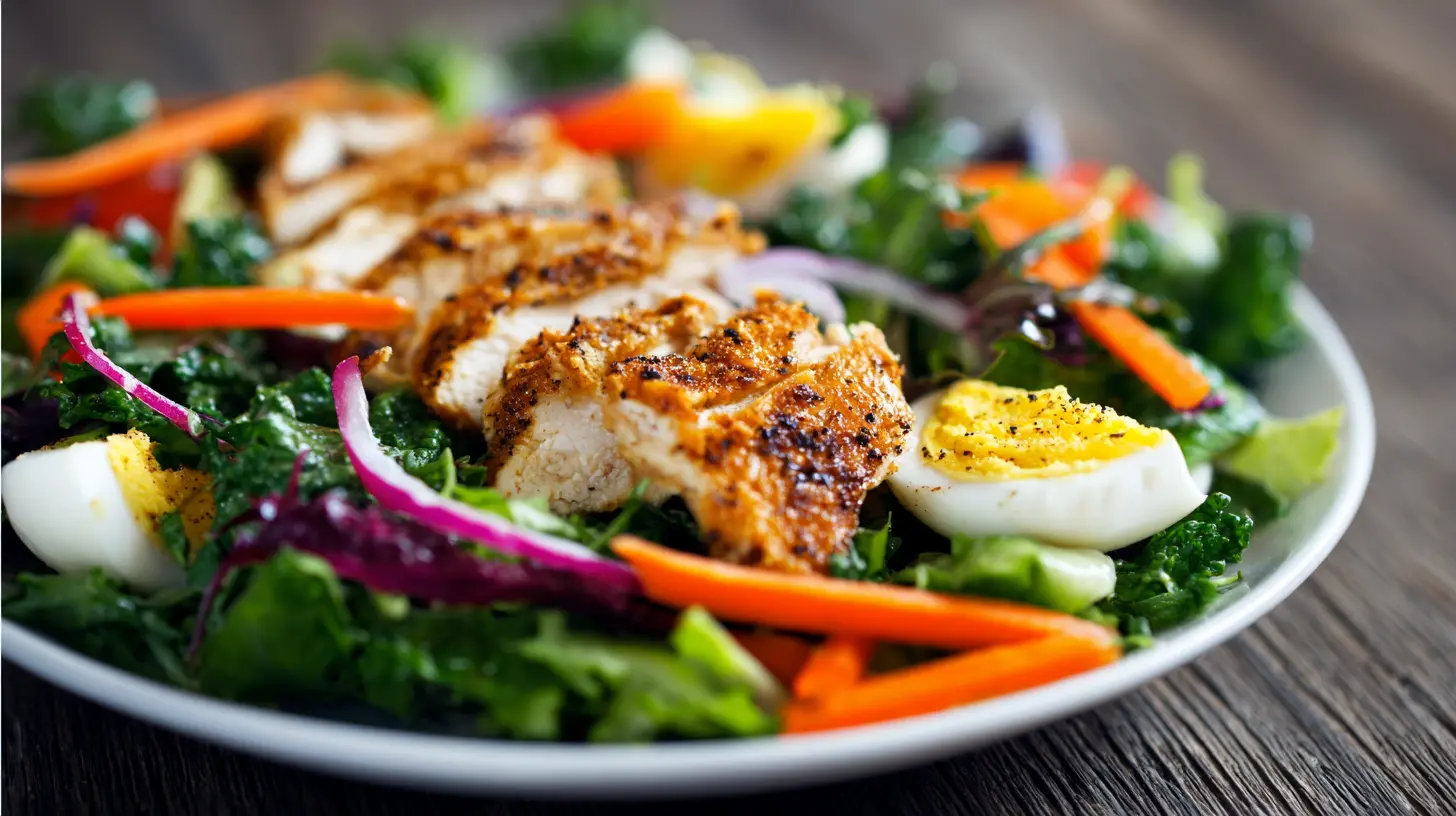
A sample build: two cups of spinach and arugula, 150 grams of grilled chicken, one cup of roasted sweet potato, half a cup of chickpeas, half an avocado, a handful of pumpkin seeds, and a dressing of olive oil, lemon juice, and salt. That lands around 45 grams of protein, 55 grams of carbohydrate, and a solid spread of micronutrients. It takes about ten minutes to assemble if you prep components ahead.
Common Mistakes and Misconceptions
Mistake one: treating salad as a diet food. The cultural association between salad and weight loss leads people to under-build them. A recovery salad should be substantial. If you finish it and feel unsatisfied, you probably did not add enough protein, carbohydrate, or fat.Mistake two: drowning it in low-quality dressing. Ranch, honey mustard, and sugary vinaigrettes can add 300 or more calories with little nutritional value. That is not inherently bad, but it is worth knowing. Olive oil and vinegar, tahini, or yogurt-based dressings give you more control.
Mistake three: skipping the carbohydrate. This is the most common error among people who train hard. They build a high-protein, low-carb salad and wonder why they feel flat the next day. If you are training consistently, carbohydrates are not optional.
Mistake four: assuming all salads are equal. A salad from a fast-casual chain may have more calories, sodium, and sugar than a burger. Read the ingredients, or build your own.
Misconception: raw is always better. Light cooking can actually increase the availability of some nutrients, like lycopene in tomatoes and beta-carotene in carrots. Raw and cooked both have a place.
Misconception: you need a protein shake instead. Shakes are convenient and effective, but they lack the micronutrients, fiber, and water content of a real meal. They are a tool, not a replacement for food.
Practical Prep and Real-World Application
The biggest barrier to eating a post-workout salad is not nutrition science. It is logistics. Nobody wants to chop vegetables when they are tired and hungry.The solution is component prep. Once or twice a week, cook a batch of protein, roast a tray of vegetables, cook a pot of grains, and wash your greens. Store everything in separate containers. Assembly then takes five to ten minutes, which is faster than waiting for delivery.
If you train at a gym, consider what you can bring. A mason jar salad with dressing at the bottom, hearty vegetables in the middle, and greens on top travels well and stays fresh for hours. Add a separate container of protein if you want it warm.
If you eat out, look for build-your-own salad spots where you control the portions. Ask for double protein, add a grain, and go easy on the sugary dressings. It is not perfect, but it is far better than most alternatives.
The Bottom Line
A salad is not automatically the perfect post-workout meal. A poorly built one is a snack at best. But a well-constructed salad, with adequate protein, deliberate carbohydrate, healthy fat, and a wide range of vegetables, is one of the most complete recovery meals available. It hydrates, it nourishes, it fights inflammation, it supports immunity, and it is endlessly adaptable to your goals, your preferences, and your training load.The next time you finish a session and reach for something to eat, consider the bowl. Build it with the same intention you bring to your training. Your body will notice the difference, not just tomorrow, but over the weeks and months of consistent recovery that actually drive progress.
all images in this post were generated using AI tools
Category:
Healthy SaladsAuthor:

Jackson Mahoney