Feel-Good Foods to Combat Daily Stress
3 November 2026
Stress is not just a feeling. It is a physiological event. Your body releases cortisol and adrenaline, your heart rate climbs, digestion slows, and your brain shifts resources toward threat detection and away from long-term planning. This cascade is useful when you are being chased. It is corrosive when it runs for weeks because of deadlines, traffic, inboxes, and the low-grade uncertainty of modern life.
Most stress advice focuses on the mind: meditate, breathe, reframe. Those tools matter. But there is a quieter, more physical lever that people consistently underestimate. Food. Not as a coping mechanism, not as a reward after a hard day, but as a set of raw materials your nervous system uses to build, regulate, and recover. Your brain is roughly 60 percent fat, your neurotransmitter production depends on amino acids from protein, and your stress response itself burns through specific micronutrients. Feed the system poorly and it becomes brittle. Feed it well and it becomes more resilient.
This article is not a list of "superfoods" to sprinkle on your problems. It is a working explanation of how specific foods interact with the stress response, why they work, when they help, when they backfire, and how to build a practical pattern around them without turning mealtime into another source of pressure.
Why Food Affects Stress More Than Most People Realize
The relationship between food and stress runs in two directions. Stress changes what you eat, and what you eat changes how you handle stress. That loop is the key to understanding everything that follows.When cortisol rises, appetite often shifts toward calorie-dense, highly palatable foods. This is not weakness. It is an ancient mechanism that prioritizes quick energy during perceived threat. The problem is that the modern threat never fully resolves, so the craving never fully switches off. Meanwhile, the foods people reach for during stress, typically refined carbohydrates and sugar, produce a short dopamine lift followed by a blood sugar crash. That crash feels like anxiety: shakiness, irritability, a racing mind. So you eat again. The cycle tightens.
The reverse direction is where the opportunity lives. Certain nutrients directly support the systems that calm the stress response. Magnesium relaxes blood vessels and supports muscle function. Omega-3 fats influence inflammatory signaling that is tied to mood. B vitamins support the production of serotonin and dopamine. Probiotic-rich foods interact with the gut-brain axis, a communication network so extensive that the gut is sometimes called the second brain. None of these are magic bullets. Together, they form the biological substrate of calm.
A useful analogy: your nervous system is like a sound system. Stress is the volume knob being turned up. Nutrients do not necessarily turn the knob down. They improve the quality of the speakers so the sound does not distort when the volume rises. That distinction matters, because it sets realistic expectations. Food supports resilience. It does not eliminate the need to address the sources of stress.
The Physiology of Calm: What Your Body Actually Needs
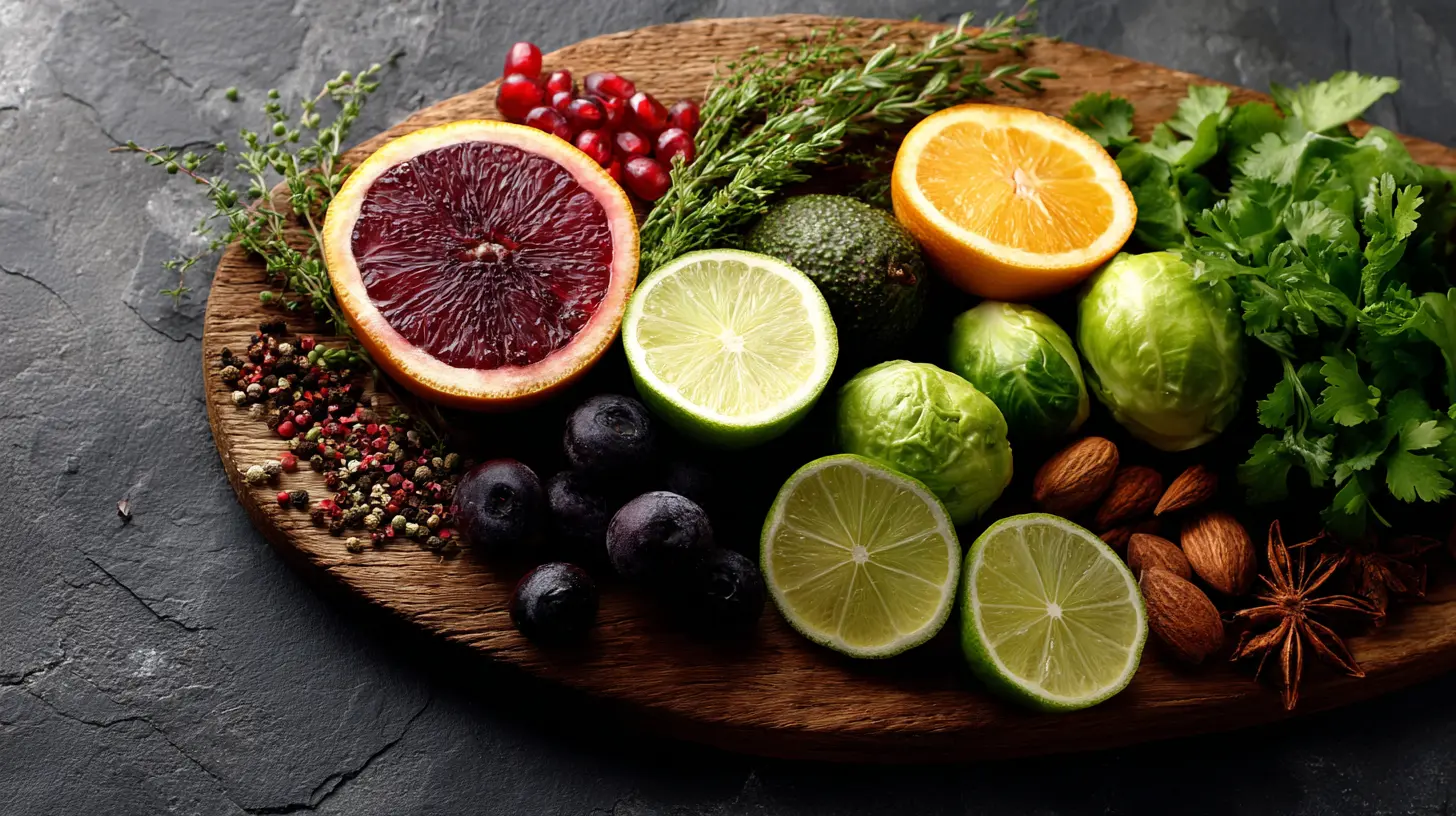
Before naming foods, it helps to know what you are feeding. The stress response consumes specific resources, and those resources must be replaced.Magnesium is involved in more than 300 enzymatic reactions, including those that regulate the HPA axis, the system that governs cortisol release. Low magnesium is associated with heightened anxiety and poor sleep. It is also one of the most common nutrient shortfalls in modern diets because refined grains strip it out.
Omega-3 fatty acids, particularly EPA and DHA, are incorporated into cell membranes, including those of neurons. They influence the flexibility of those membranes and the inflammatory signals that travel through the brain. Higher intake is consistently linked with better mood regulation, though the effect is modest and cumulative, not dramatic.
B vitamins, especially B6, B12, and folate, are cofactors in neurotransmitter synthesis. Without them, the raw materials for serotonin and dopamine cannot be converted efficiently. This is why B vitamin deficiency often presents first as irritability and low mood.
Vitamin C is concentrated in the adrenal glands, which use it during cortisol production. Chronic stress depletes it faster than a low-intake diet replaces it.
Tryptophan and tyrosine are amino acids that serve as precursors to serotonin and dopamine respectively. Their availability depends on what else you eat, which is why the composition of a meal matters as much as its individual ingredients.
Gut bacteria produce short-chain fatty acids and influence vagal signaling to the brain. A diverse microbiome is associated with better stress regulation, though the science here is still developing and should be treated with appropriate caution.
The practical takeaway: a stress-resilient diet is not about one hero food. It is about consistent coverage of these categories, delivered in a pattern that keeps blood sugar stable and inflammation low.
Foods That Support the Stress Response
Fatty Fish and the Omega-3 Advantage
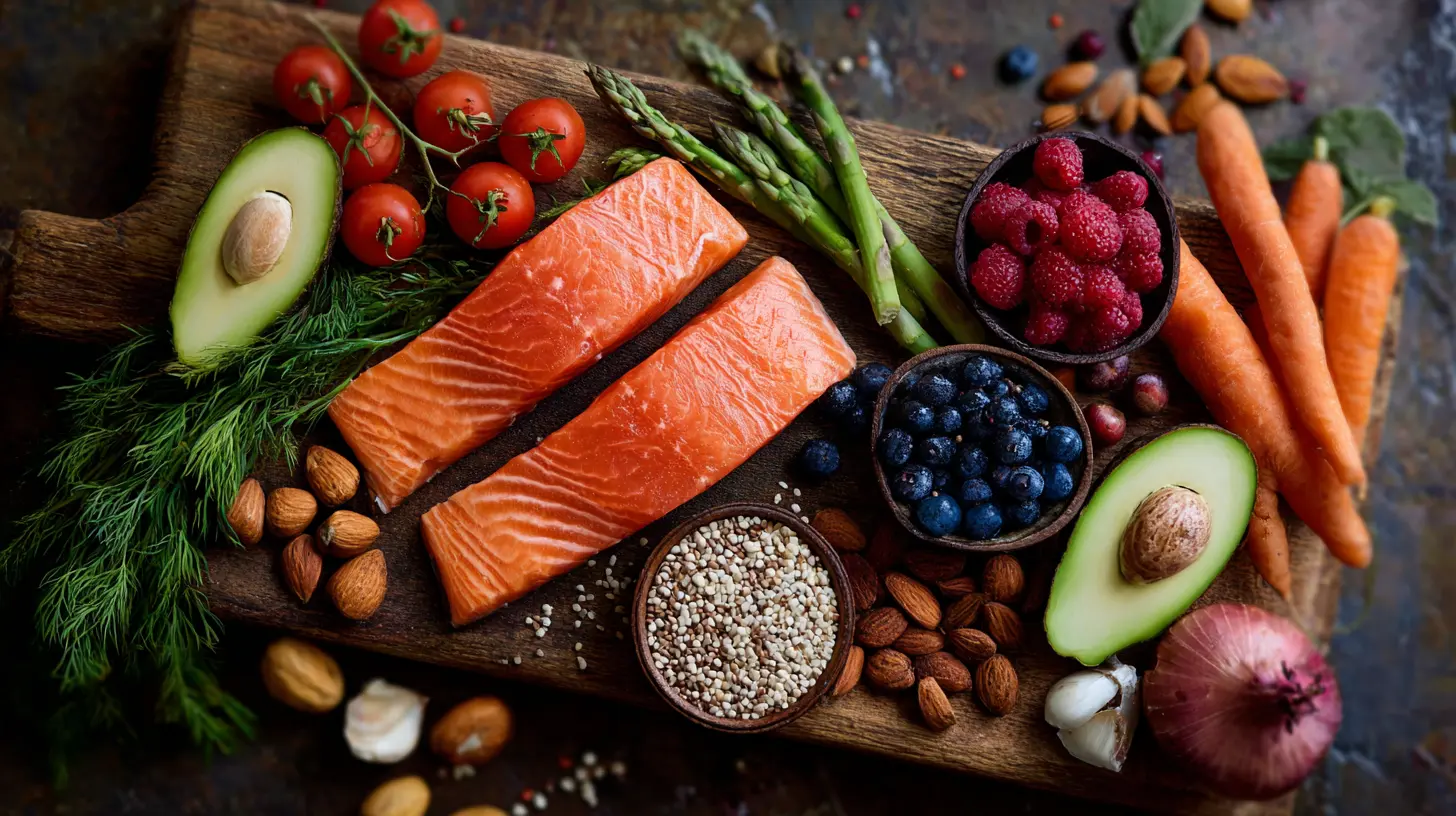
Salmon, sardines, mackerel, and anchovies are the most efficient dietary sources of EPA and DHA. What separates them from plant sources like flaxseed is conversion efficiency. The body converts plant-based ALA to EPA and DHA at a low rate, often cited as under 10 percent for EPA and far less for DHA. If your goal is direct support for brain and mood, oily fish is the more reliable route.Why it works: omega-3s compete with pro-inflammatory fats in cell membranes, and chronic low-grade inflammation is one of the mechanisms linking stress to mood disruption. They also support the integrity of the blood-brain barrier. The effect is not a mood lift you feel in an hour. It is a slow shift in the inflammatory environment over weeks.
When to prioritize it: if your diet is otherwise high in processed seed oils and low in seafood, adding oily fish two to three times per week is one of the highest-leverage changes available. When to be cautious: if you have a bleeding disorder or take anticoagulants, discuss high-dose fish oil supplements with a clinician. Food sources are generally fine, but supplements deserve a conversation.
Fermented Foods and the Gut-Brain Conversation
Yogurt with live cultures, kefir, sauerkraut, kimchi, miso, and tempeh deliver live microorganisms and the compounds they produce. The gut-brain axis is a real and active communication channel involving the vagus nerve, immune signaling, and microbial metabolites.Why it works: fermented foods increase microbial diversity, and diversity is one of the better-supported markers of gut health. Some strains produce gamma-aminobutyric acid, a calming neurotransmitter, though how much crosses into the brain is debated. More importantly, a healthier gut lining reduces the low-grade immune activation that amplifies stress responses.
The trade-off: fermented foods are not universally tolerated. People with histamine intolerance often react badly to aged and fermented products. Start small, with a few spoonfuls of yogurt or kefir, and observe. Also read labels, because many commercial yogurts are pasteurized after fermentation, which kills the cultures you were paying for. If the label does not say "live and active cultures," assume they are not there.
Leafy Greens and Magnesium Density
Spinach, Swiss chard, and kale are among the most practical magnesium sources, and they also deliver folate. A cup of cooked spinach provides a meaningful share of daily magnesium in a form that is easy to absorb.Why it works: magnesium dampens the HPA axis and supports GABA receptor function, which is part of why deficiency feels like edginess. Folate supports the methylation cycle that produces neurotransmitters.
Common mistake: relying on raw spinach salads alone. Oxalates in raw spinach bind some minerals, and cooking reduces oxalate content while shrinking the volume so you eat more. Lightly sautéing greens in olive oil is a better strategy than eating a giant raw salad and calling it done.
Nuts and Seeds: Small Packages, Concentrated Minerals
Pumpkin seeds, almonds, cashews, and sunflower seeds combine magnesium with zinc and healthy fats. Brazil nuts are an outlier, providing selenium in a single nut, which supports thyroid function and antioxidant defenses.Why it works: the combination of fat, protein, and minerals makes nuts a stabilizing snack rather than a blood sugar spike. That stability matters because glycemic swings mimic anxiety.
Practical note: portion control is genuinely difficult with nuts, and calorie density is high. A small handful, roughly 30 grams, is the useful unit. Pairing nuts with a piece of fruit slows absorption further.
Berries and Vitamin C
Strawberries, blueberries, and blackcurrants provide vitamin C alongside polyphenols. Vitamin C is used up during cortisol production, and polyphenols support antioxidant defenses that stress depletes.Why it works: the adrenal glands hold one of the highest concentrations of vitamin C in the body. During sustained stress, demand rises. Berries deliver it with fiber and low sugar, avoiding the crash that comes with juice or candy.
Reality check: you do not need exotic berries. Frozen mixed berries are nutritionally comparable to fresh, often cheaper, and available year-round. The best berry is the one you actually eat.
Dark Chocolate and the Case for Moderation
Cocoa contains flavanols that support endothelial function and blood flow, including to the brain. A small amount of dark chocolate, roughly 70 percent cocoa or higher, can produce a measurable but modest improvement in mood and perceived stress in some studies.Why it works: flavanols improve nitric oxide availability, which supports circulation. Chocolate also contains trace amounts of magnesium and theobromine, a gentle stimulant. The sensory pleasure itself is not irrelevant, since eating something you enjoy in a mindful way activates reward pathways.
The trap: milk chocolate and chocolate-coated everything deliver sugar and fat with minimal cocoa. The dose matters. Twenty grams of dark chocolate is a very different intervention from a candy bar. If you find that chocolate triggers overeating, it is not a reliable tool for you, and that is fine.
Complex Carbohydrates and Blood Sugar Stability
Oats, quinoa, barley, and sweet potatoes provide slow-release energy. This is the least glamorous category and arguably the most important.Why it works: the stress response is exquisitely sensitive to blood sugar. A crash triggers counter-regulatory hormones including cortisol and adrenaline, producing symptoms indistinguishable from anxiety. Stable blood sugar means fewer false alarms.
Common mistake: skipping carbohydrates entirely in an effort to eat "clean." Very low carbohydrate intake can raise cortisol in some people, particularly during high training loads or chronic stress. Carbohydrates are not the enemy. Unstable blood sugar is.
Herbal Supports: Green Tea and Chamomile
Green tea contains L-theanine, an amino acid that promotes relaxed alertness without sedation. Chamomile contains apigenin, which binds to benzodiazepine receptors weakly, producing a mild calming effect.Why they work: L-theanine increases alpha wave activity in the brain, a pattern associated with calm focus. This is why green tea feels different from coffee even at similar caffeine levels. Chamomile is best used as a wind-down ritual, and the ritual itself has value.
Caveats: green tea still contains caffeine, so timing matters for sensitive sleepers. Chamomile can interact with blood thinners and should be discussed with a clinician if you take them. Herbal teas are supportive, not treatments.
What to Eat Less Of, and Why
It is tempting to frame this as a list of forbidden foods. That framing fails because restriction creates its own stress. A better approach is understanding mechanisms.Refined sugar and fast carbohydrates cause rapid glucose spikes followed by crashes. Each crash is a small physiological stress event. Occasional dessert is not the issue. The issue is a pattern where most meals are built on refined starch and sugar, keeping the roller coaster running all day.
Excess caffeine amplifies the stress response by increasing circulating catecholamines and disrupting sleep. Sleep disruption then raises next-day cortisol. The cycle is subtle because tolerance develops, so people do not notice they feel worse until they cut back. If you are anxious and sleeping poorly, trial a reduction to see what changes.
Alcohol is widely used to unwind and reliably backfires. It fragments sleep architecture, particularly REM sleep, and increases next-day anxiety as the sedative effect wears off. The rebound is physiological, not moral.
Highly processed foods are not inherently toxic, but they tend to be low in the micronutrients stress depletes and high in the inflammatory fats and refined starches that stress amplifies. The problem is the pattern, not the occasional convenience food.
None of this requires perfection. It requires noticing which of these is currently dominating your plate and shifting the ratio.
Common Mistakes and Misconceptions
Mistake one: treating food as a substitute for addressing stress. No amount of salmon will fix a job you hate or a relationship that drains you. Food supports your capacity to cope. It does not remove the need to cope.Mistake two: chasing single nutrients. Magnesium supplements, omega-3 capsules, and B complex pills are not a diet. Whole foods deliver these nutrients alongside fiber, polyphenols, and compounds we have not fully cataloged. Supplements have a role when there is a documented deficiency or a specific clinical reason, but they are not a shortcut around eating well.
Mistake three: assuming "natural" means "safe at any dose." Herbal teas, adaptogens, and high-dose supplements can interact with medications and are not risk-free. If you take prescription drugs, especially for blood pressure, mood, or clotting, check interactions before adding anything.
Mistake four: changing everything at once. Dramatic overhauls fail because they are stressful in themselves. Pick one change, such as adding oily fish twice a week or swapping an afternoon pastry for nuts and fruit, and let it become normal before adding another.
Mistake five: ignoring timing. A meal rich in tryptophan supports serotonin production, but eating it right before bed does not guarantee better sleep if caffeine is still on board. When you eat matters alongside what you eat. Front-loading protein and fiber earlier in the day and keeping evening meals lighter tends to support sleep for many people.
Building a Practical Pattern
Knowledge without a routine is just trivia. Here is how to translate this into a week that actually works.Morning: Protein and fiber at breakfast to stabilize blood sugar through the morning. Eggs with sautéed greens, or Greek yogurt with berries and pumpkin seeds. If you drink green tea, this is a good window.
Midday: A meal built around a protein, a complex carbohydrate, and vegetables. Oily fish two or three times a week fits naturally here. If you eat out, look for grilled fish, legumes, or a grain bowl with greens rather than a refined-carb-heavy option.
Afternoon: This is the danger zone for stress eating. A planned snack of nuts and fruit, or yogurt with a small amount of dark chocolate, prevents the vending machine decision that happens when blood sugar drops.
Evening: A lighter meal with vegetables and a moderate portion of protein. Chamomile tea as a wind-down ritual. If you drink alcohol, notice its effect on your sleep and next-day mood rather than accepting it as a fixed cost.
The weekly frame: Aim for oily fish two to three times, fermented foods most days in small amounts, leafy greens daily, berries most days, nuts as a default snack, and dark chocolate in small, deliberate portions. That pattern covers the major nutrient categories without requiring a spreadsheet.
A Balanced View on Supplements
There is a real case for targeted supplementation. People with restricted diets, older adults with reduced absorption, and those with documented deficiencies may genuinely benefit. Magnesium glycinate in the evening is a reasonable trial for people with poor sleep and low dietary magnesium, though it can cause digestive upset in some forms. Omega-3 supplements are useful for people who do not eat fish.But supplements are a patch, not a foundation. They also carry real risks: interactions, contamination, and the false confidence that a pill compensates for a poor diet. The honest position is that food first, supplements second, and a clinician's input when anything is at prescription strength or taken long term.
The Bottom Line
Stress is a physiological state, and food is a physiological input. The connection is not mystical. It runs through blood sugar, inflammation, neurotransmitter production, the gut microbiome, and the HPA axis. Foods that support these systems do not eliminate stress, but they change how much it costs you.The most useful shift is not adding a single miracle ingredient. It is building a pattern that keeps blood sugar stable, delivers magnesium and omega-3s consistently, supports the gut, and leaves room for pleasure. That pattern is sustainable, unremarkable, and far more effective than any short-lived cleanse or superfood obsession.
Start with one change this week. Notice how you feel. Adjust. The goal is not a perfect diet. It is a nervous system that has better raw materials to work with when life gets loud.
all images in this post were generated using AI tools
Category:
Mood Boosting FoodsAuthor:

Jackson Mahoney
Discussion
rate this article
1 comments
Erin McClintock
Great article! Incorporating feel-good foods like dark chocolate and berries really can make a difference in mood. I'm excited to try some of these recipes and share them with friends. Thanks for the tips!
November 3, 2026 at 5:07 AM