Healing the Gut: A Functional Medicine Perspective on Digestive Health
22 July 2026
Let’s face it—when your digestion is off, everything feels off. Your gut does way more than just process food. It’s like the control center of your health, influencing your mood, energy levels, immunity, and even your skin. Enter functional medicine—a root-cause approach that looks at the body as one interconnected system.
So, if you’ve been popping antacids or living with bloating like it’s just part of your identity, it’s time for a different perspective. Let’s dig deep (pun intended) into how functional medicine helps heal the gut naturally and sustainably.
What Is Functional Medicine, Anyway?
Functional medicine isn't your typical symptom-suppressing approach. It’s more like being a health detective—looking past the surface to understand where things go wrong in the body.When it comes to gut health, functional medicine doesn’t just ask, “What’s the diagnosis?” It asks:
- Why did this happen in the first place?
- What's feeding the imbalance?
- How do we correct the root causes?
Instead of slapping on a band-aid, functional medicine gets down to the nitty-gritty of your lifestyle, diet, environment, stress, and even your emotions.
Why Gut Health Matters More Than You Think
Most of us think of the gut as a food-processing machine. But here’s what you might not know: your gut is a superstar multitasker. Here's why it's such a big deal:- 70-80% of your immune system lives in your gut.
- Up to 90% of your serotonin (your happy brain chemical) is made in your gut.
- Your gut helps process toxins and hormones.
- It’s home to trillions of bacteria (your gut microbiome) that affect everything from digestion to mental clarity.
In short? A happy gut equals a happy you.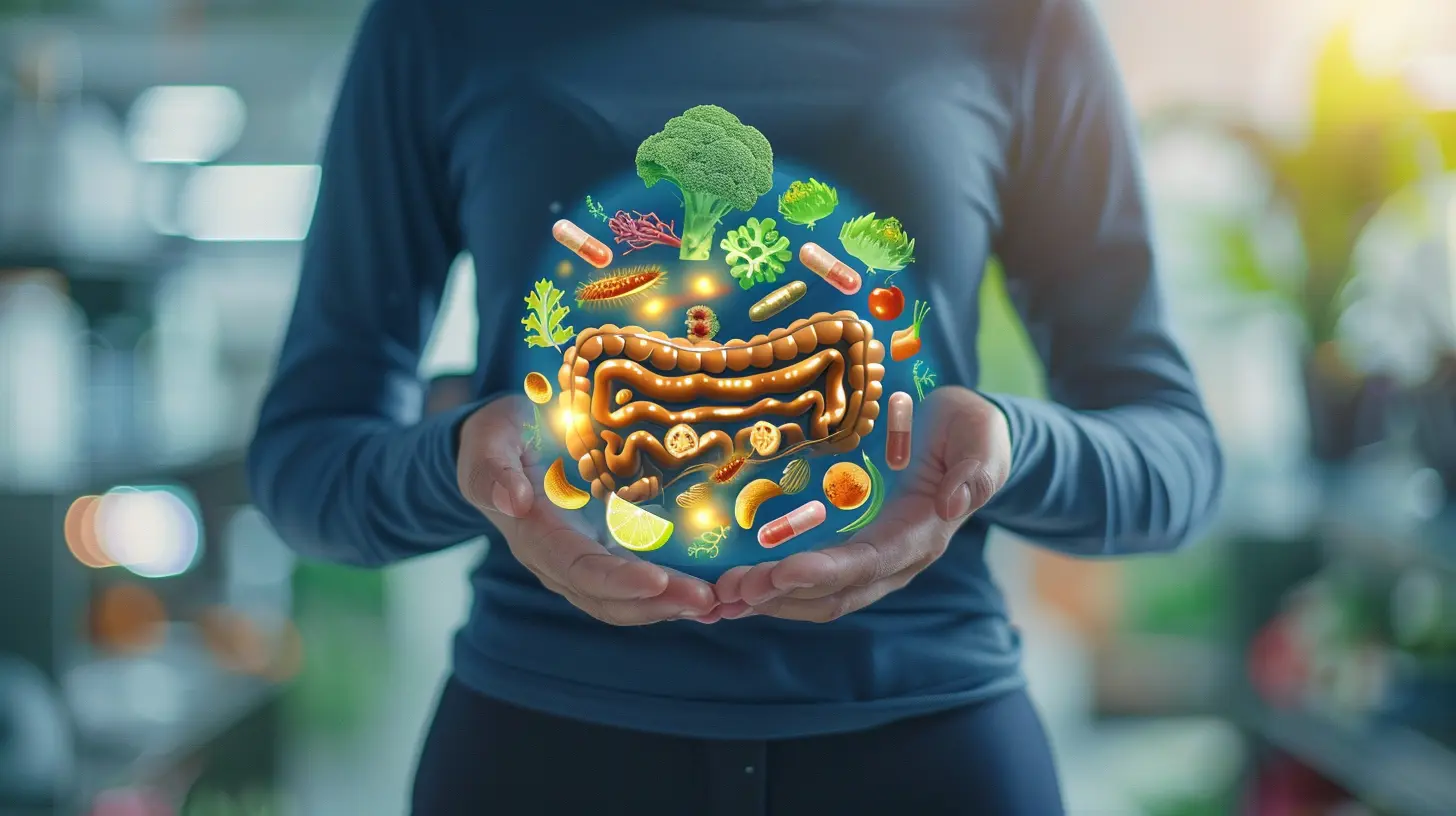
Signs Your Gut Might Be Crying for Help
Here’s the kicker—gut issues don’t always show up as stomach problems. Of course, there’s the usual suspects like bloating, gas, diarrhea, or constipation. But there’s more to the story.Ever feel foggy-headed, constantly tired, moody, or struggle with skin breakouts or autoimmune flares? Yep, those can all be gut-related too.
So, if your gut’s struggling, your whole system could be out of whack. That’s why healing the gut has such a ripple effect.
The Functional Medicine Approach to Gut Healing: The 5 R Program
Functional medicine simplifies gut healing into a straightforward framework called the "5 R Program". Think of it like a reset button for your digestive system.Let’s break it down.
1. Remove: Get Rid of the Bad Stuff
This is step number one. You’ve got to get rid of what’s harming your gut—things like:- Processed foods
- Hidden food sensitivities (gluten and dairy are big ones)
- Sugar and artificial sweeteners
- Chronic stress
- Environmental toxins
- Harmful gut bugs (like yeast, parasites, or harmful bacteria)
Sometimes, specific stool tests help identify the “bad guys” that need to be kicked out. Removing these triggers gives your gut the space it needs to start healing.
_Think of it like clearing a garden of weeds before planting anything new._
2. Replace: Add in What’s Missing
Once you’ve removed the irritants, it’s time to give your gut the tools it’s been missing. That might include:- Digestive enzymes – to help break down food more efficiently
- Stomach acid (like betaine HCl) – surprisingly, many people have too little, not too much!
- Bile salts – to support fat digestion
If you’ve been dealing with gut issues for a while, chances are digestion has been compromised. This step helps jumpstart the process.
3. Reinoculate: Bring Back the Good Bugs
Your gut microbiome is like a bustling city. It works best when the right balance of residents is in place—aka good bacteria.Here’s how to nourish those good guys:
- Eat fermented foods (like sauerkraut, kimchi, kefir, and yogurt)
- Take high-quality probiotics
- Feed your gut with prebiotics (fiber-rich foods like onions, garlic, asparagus, and green bananas)
Your gut bugs thrive on what you eat. So, if you're feeding them junk food, don’t expect them to throw a party in your honor.
4. Repair: Rebuild the Gut Lining
After months (or years) of being under attack, your gut lining might be inflamed or even leaky (yup, “leaky gut” is a real thing). That allows undigested food, toxins, and bacteria to slip into your bloodstream, sparking inflammation.Rebuilding the gut lining includes:
- L-Glutamine – an amino acid that fuels the cells in your gut lining
- Zinc carnosine – helps tighten the gut barrier
- Aloe vera, slippery elm, licorice root – all provide soothing support
- Omega-3s – reduce inflammation and support healing
Think of this step like renovating your gut’s "walls" to keep the bad stuff out and the good stuff where it belongs.
5. Rebalance: Create Long-Term Harmony
Once you’ve repaired the gut, it’s all about keeping it that way. That means supporting your whole lifestyle—from stress to sleep to movement.Ways to rebalance:
- Daily movement – even 30 minutes of walking helps gut motility
- Mindfulness practices – stress is like kryptonite for your gut
- Regular sleep – your gut bacteria follow a circadian rhythm too!
- Hydration – water helps everything move along
Gut health isn’t a one-and-done fix. It’s a lifelong relationship. But the good news? Once you feel the difference a healthy gut makes, you won't want to go back.
Top Gut-Healing Foods You Should Be Eating
Food is medicine. And when it comes to the gut, what you put on your plate matters a lot. Here are some rockstar foods that feed your gut and help it thrive:- Bone broth – rich in collagen and amino acids that repair the gut lining
- Fermented veggies – loaded with probiotics
- Leafy greens – packed with fiber and nutrients
- Wild-caught fish – full of omega-3s
- Pumpkin seeds and flaxseeds – great sources of zinc and fiber
- Berries – rich in polyphenols that feed good bacteria
Pro tip: Go for colorful, whole foods as much as possible. Your gut bugs love variety!
What About Supplements?
While food always comes first, supplements can be key players in gut healing, especially in the beginning. A few worth considering (talk to your practitioner before diving in):- Probiotics – multi-strain and high CFU (colony-forming units)
- Digestive enzymes – especially if you feel heavy after meals
- L-Glutamine – helps repair the gut lining
- Magnesium – supports motility and reduces constipation
- Curcumin – the active ingredient in turmeric, reduces inflammation
Remember, supplements are tools—not replacements for lifestyle and diet.
Can Stress Really Mess With Your Gut?
Oh, 100%. Your gut and brain are connected through the vagus nerve—like a two-way communication highway. So when you're stressed, anxious, or overwhelmed, your gut feels it. Ever had “butterflies” before a big event? That’s the gut-brain axis in action.Chronic stress disrupts digestion, slows gut motility, lowers stomach acid, and can even change your gut bacteria. Not cool. So managing stress isn’t just about feeling Zen—it’s about gut health, too.
Try these to chill your nervous system:
- Breathwork and meditation
- Journaling before bed
- Unplugging from tech in the evenings
- Saying “no” more often
The Emotional Side of Gut Healing
Look, your gut remembers. Trauma, grief, or emotional stress can impact your digestion more than you think.That’s why functional medicine also honors the emotional piece. Working with a therapist, practicing somatic release exercises, or even just talking things out with a friend can help your body release what it’s been holding onto—physically and emotionally.
Healing the gut isn't just about what's on your plate—it’s about what’s in your heart and head, too.
Functional Testing: Getting the Whole Picture
Part of what makes functional medicine so powerful is its use of advanced testing to uncover hidden issues. You might consider:- Comprehensive stool analysis
- Food sensitivity testing
- SIBO breath test
- Adrenal hormone testing (like cortisol levels)
These tests give you insights that traditional medicine might miss. They're tools, not crutches, but they’re super helpful for creating a tailored gut healing plan.
Final Thoughts: You Can Heal, One Step at a Time
Healing your gut might feel overwhelming, especially if you’ve been dealing with issues for a while. But don’t panic—you don’t have to be perfect to start.Begin with small changes: swap the processed snacks for whole foods, cut back on sugar, and start paying attention to how food makes you feel. Then build from there.
Your body wants to heal. The gut is incredibly resilient when you give it the right tools.
So… ready to trust your gut?
all images in this post were generated using AI tools
Category:
Functional MedicineAuthor:

Jackson Mahoney
Discussion
rate this article
1 comments
Zaren Ramirez
Gut health is crucial for overall wellness.
July 22, 2026 at 4:52 PM
Jackson Mahoney
Absolutely, a healthy gut is the foundation for overall wellness. It influences everything from our immune system to mental health.