The Overlooked Outcomes of the 79th World Health Assembly
May 25, 2026 - 12:02
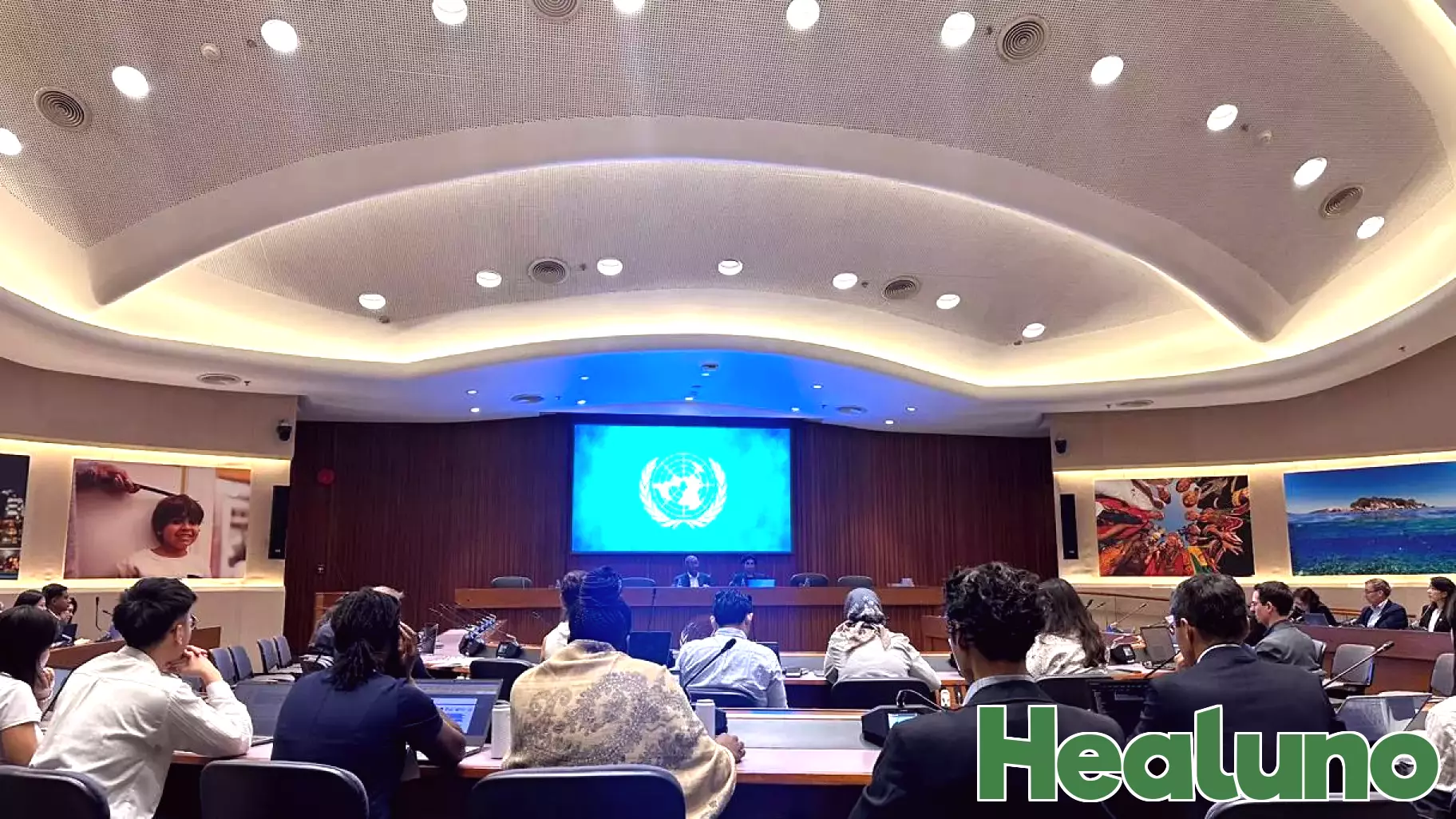
For the world's second-leading cause of death and the third-leading cause of disability, stroke has spent decades waiting for its turn at the World Health Assembly. The 79th meeting in Geneva this past May was supposed to be different. For the first time, a dedicated resolution on stroke was on the table, pushed by a coalition of countries and medical groups who argue that the disease kills nearly seven million people each year and leaves millions more permanently disabled. Yet when the final agenda was published, the resolution had been quietly shelved.
The decision was not made in a dramatic floor debate. It happened in closed-door consultations where delegates weighed competing priorities. Noncommunicable diseases like heart disease and diabetes already have dedicated action plans. Stroke, despite sharing many risk factors, remains lumped into broader categories. Proponents of the resolution argued that stroke requires specific attention because its treatment window is measured in hours, not years, and because rehabilitation needs are distinct from other conditions. Opponents countered that adding more disease-specific resolutions would fragment the WHO's limited resources and that existing frameworks for cardiovascular health were sufficient.
What got lost in the shuffle was a set of practical measures that the resolution would have mandated. These included standardized data collection on stroke incidence and outcomes, training protocols for emergency responders in low-resource settings, and guidelines for affordable blood pressure medications. Without a resolution, these measures remain voluntary. Countries like Mozambique and Nepal, where stroke mortality is rising fastest, will continue to rely on ad hoc programs rather than systematic support.
The assembly did approve a broader resolution on emergency care systems, which covers stroke among many other conditions. But advocates note that without specific targets, stroke care will remain a low priority in health ministries that already juggle dozens of competing demands. The forgotten decisions of the 79th Assembly are not about what was rejected, but about what was never allowed to be considered on its own terms. For the millions of people who will have a stroke this year, the wait continues.
MORE NEWS

October 7, 2026 - 23:40
Virginia Tech banking on health, continuity to make NCAA Tournament pushVirginia Tech enters the upcoming basketball season with a clear sense of direction. The program is counting on better health and a stable roster to fuel a serious push for the NCAA Tournament....

October 7, 2026 - 03:55
Health Costs Dominate Voter Concerns Ahead of 2026 MidtermsAffordability remains the primary worry for voters looking ahead to the 2026 midterm election, according to a new health tracking poll. Health care and gas prices finished in a dead heat as the top...

October 6, 2026 - 00:28
Queens Hospital Marks Hispanic Heritage Month with Major Community Health FairNYC Health + Hospitals/Queens wrapped up its Hispanic Heritage Month celebrations with a large-scale Community Health Fair on September 30. The event served as the centerpiece of the hospital`s...
October 5, 2026 - 01:36
Adams Family Health Center to celebrate 10th anniversaryADAMS - The Adams Family Health Center will mark its 10th anniversary with a community gathering from 5 to 7 p.m. Wednesday, Oct. 14, at 10881 U.S. Route 11. The event invites residents to tour...